Reviews & Student Walkthrough Experiences
Direct feedback from researchers and software engineers who engaged with our desktop laboratory walkthroughs, telemetry sessions, and protocol consultations.
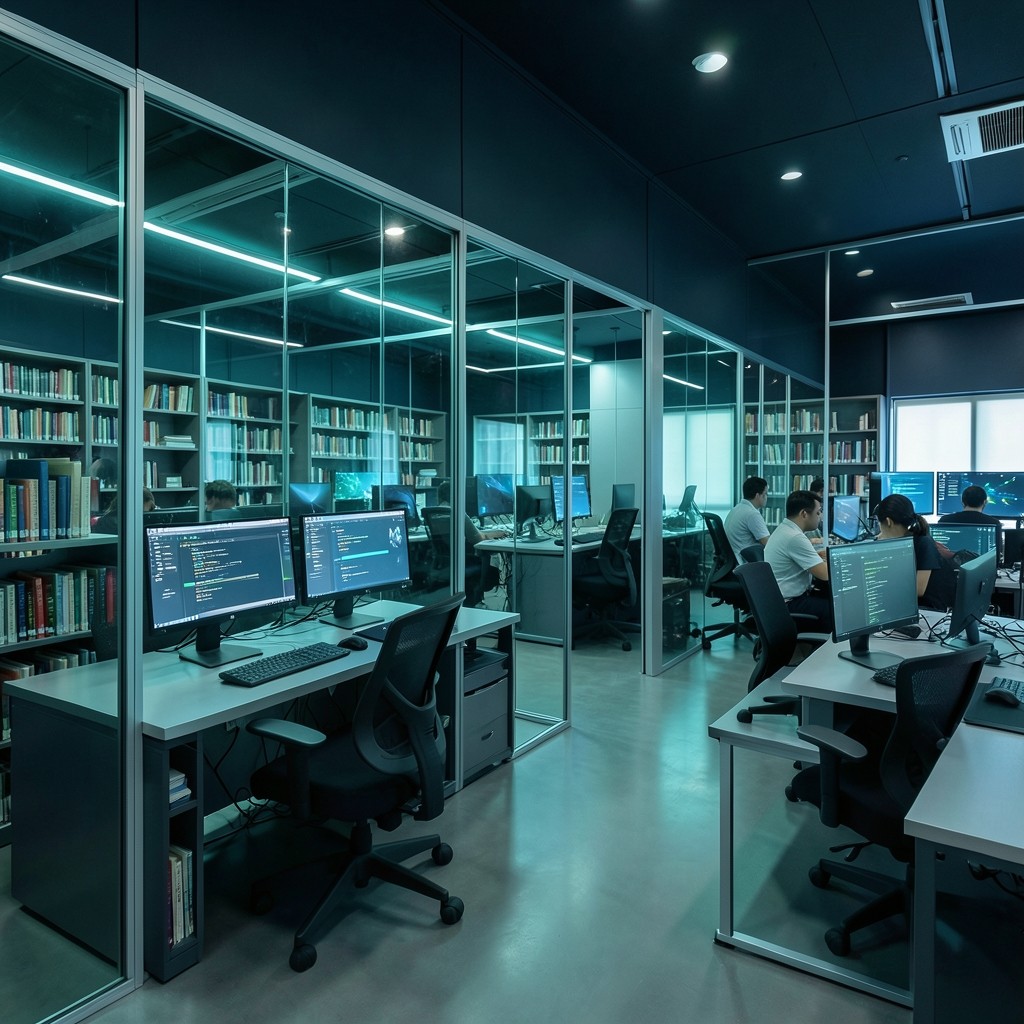
At Dime Desktop Resource, we pride ourselves on rigorous, technically grounded instruction. Below is direct qualitative feedback from participants who have completed our one-on-one walkthroughs and laboratory sessions.
Detailed Walkthrough Experiences
"We were preparing to deploy an internal RPC proxy node for our data analytics team and struggled with unexpected RocksDB write stalls. During our 120-minute walkthrough, Somchai diagnosed our Linux memory allocation bottleneck in twenty minutes. The custom Prometheus scrapers and Grafana dashboard templates he shared are still in daily use on our workstations."
"The Validator Architecture session gave me clarity on how vote accounts and lockout state transitions function under Tower BFT. The technical depth was intense—almost overwhelming in the first thirty minutes because of the mathematical density of the leader schedule equations. I would recommend students review basic Proof-of-History concepts before the call to absorb the pacing faster."
"I attended the Hat Yai lab in person for the Ecosystem Indexing session. Working on a dedicated dual-4K workstation with 128GB of RAM made parsing raw Geyser binary instruction streams straightforward. Kanya walked me through Rust decoding structs step-by-step, helping me avoid memory fragmentation pitfalls in my local DuckDB pipeline."
"The Security & Key Isolation workshop cleared up our confusion surrounding split authority credentials. We learned how to isolate identity keypairs from voting and stake withdrawal keys using hardware tokens. The provided Linux host hardening script saved us substantial setup trial and error."
Extended Case Study: Academic Lab Setup
Prince of Songkla University Distributed Computing Cohort
In late 2025, our instructors conducted a three-day customized laboratory seminar for 12 postgraduate computer engineering students studying distributed consensus algorithms.
The Challenge: The academic lab required an isolated testing subnet where students could observe real-time fork resolution, introduce artificial network latency between nodes, and monitor slot skip rates without risking connection to public mainnet clusters.
Our Solution: We deployed a private 4-node Dime cluster simulation within our Hat Yai hardware laboratory. Students learned to inspect gossip gossip messages using Wireshark, analyze Tower BFT vote convergence, and write custom Python telemetry exporters to track slot synchronization.
Ready to Begin Your Technical Walkthrough?
Join engineers and researchers mastering the Dime network through hands-on desktop experimentation.
Schedule Your Session